When an Image Stops Being About the Subject
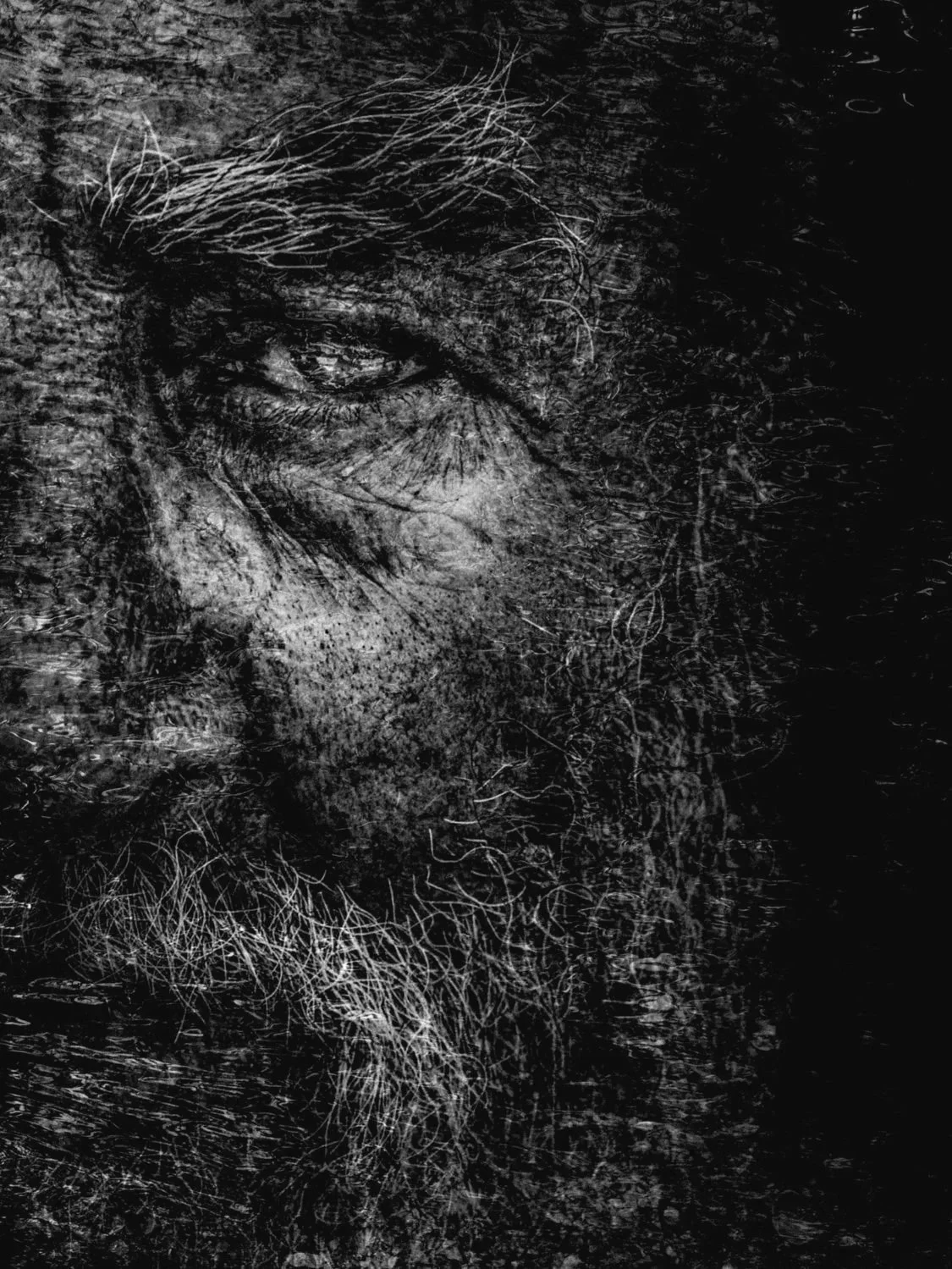
When the form becomes the content
Where words end and experience begins
To see and then realizeFrank Rampolla
I came across these lines recently while going through my father’s notes. They felt apropos here.
Most images begin with something simple. A person. A place. A moment that catches your attention. At first, the image feels like it’s about what’s in front of the camera. The subject carries the weight.
That’s usually how image-making begins too. As an act of looking outward.
But somewhere along the way, the work shifts. Not suddenly. More quietly. A feeling emerges.
The image stops being about the subject and image-making becomes about the act of attention itself.
You don’t usually notice this while it’s happening. You see it later, in editing. Patterns begin to surface that you didn’t consciously plan. The same silences. The same emotional undertones repeating across different images, different years, different projects.
At that point, the subject matters less than your relationship to it.
The images begin revealing what you’re drawn to and what you avoid. What you frame and what you leave out. They become records of attention more than records of events.
This is where image-making gets more honest and also more uncomfortable. The work is no longer protected by the idea that you’re just documenting something external. The images begin to describe you. Your temperament. Your history. Your thresholds for closeness and distance.
I feel this most clearly in Held In Bone. Those images didn’t start as a concept. They emerged through time and accumulation. Through looking back and realizing that silence, absence, and restraint were doing more of the work than subject matter ever did.
The images aren’t really about what’s depicted. They’re about what’s carried. What’s remembered. What stays unresolved.
That shift changed how I think about editing. Shooting is about encounter. Editing is about recognition. As Ansel Adams put it, the negative is the score, and the print is the performance.